5 Best Health Supplements in the United States (2026)
The U.S. supplement market topped $58 billion in 2025 — and with hundreds of new brands launching every year, finding a formula that's actually transparent about its ingredients is harder than ever. Our editorial team spent 90 days researching label disclosures, dosing, and manufacturing standards across the most talked-about wellness categories. These five stood out for what they actually put on the label — not just what they put in the ad.
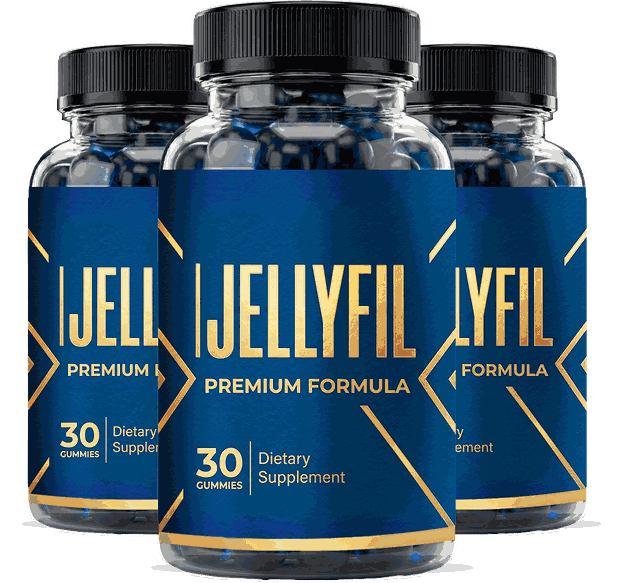
Who it's for: Men who feel their energy, drive, and stamina aren't what they used to be — and want a simple daily gummy instead of a stack of pills. Jellyfil combines traditional vitality botanicals (Muira Puama, Maca, Catuaba) with Ashwagandha for stress balance and L-Arginine to support healthy blood flow. One gummy a day, no capsules, no subscription trap at checkout.
- Nine-botanical formula built around traditional vitality herbs and L-Arginine for circulation support
- Convenient once-daily gummy — no pills, no mixing
- Manufactured in a GMP-certified U.S. facility, 60-day money-back guarantee
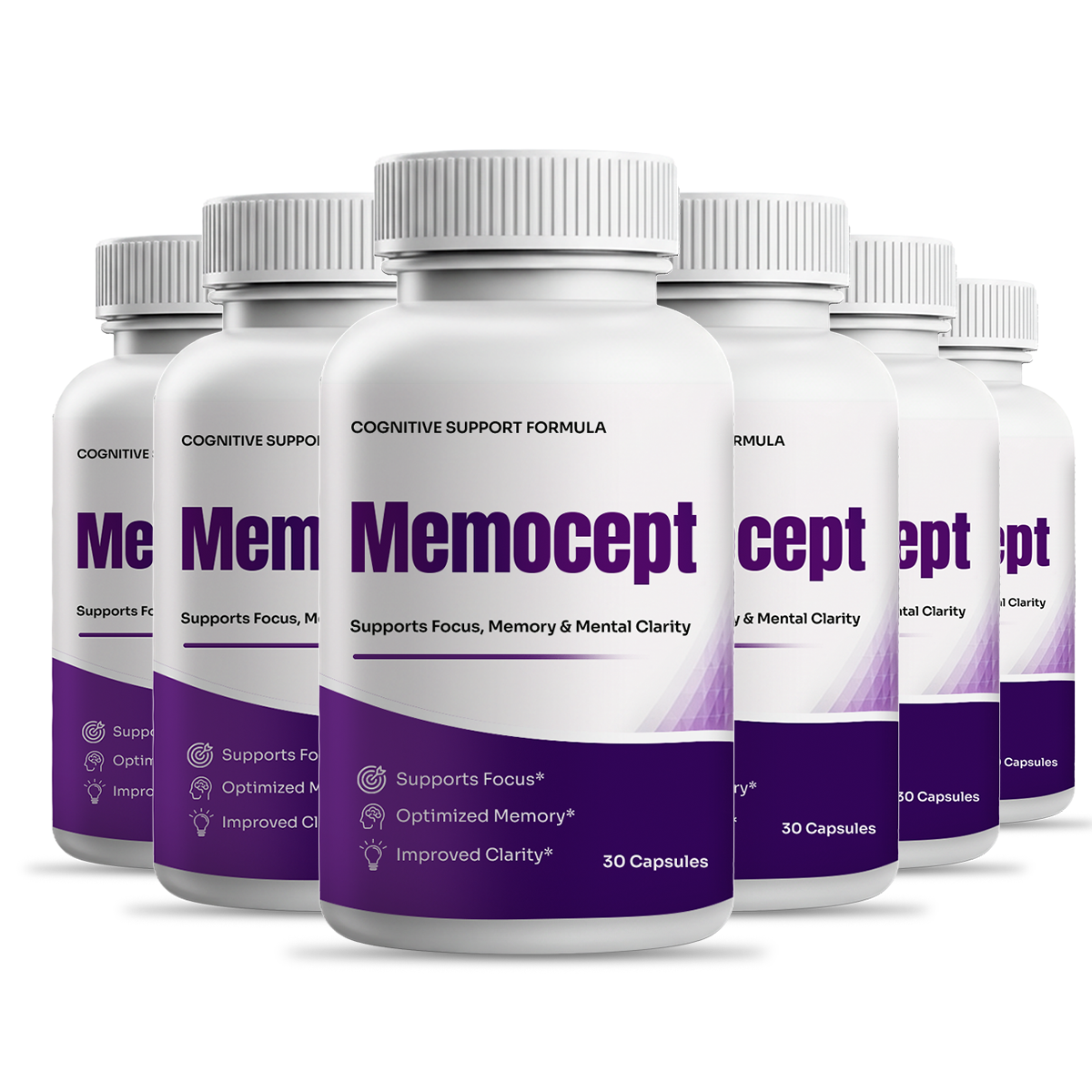
Who it's for: Adults who deal with brain fog, lose focus mid-task, or feel their memory isn't as sharp as it used to be — and want support without the jitters of a straight caffeine pill. Memocept pairs Bacopa monnieri and Rhodiola rosea, two of the most-researched botanicals for mental performance, with Huperzine-A and a small, measured dose of natural caffeine. One capsule daily, fully disclosed label.
- Built around Bacopa monnieri and Rhodiola rosea, plus Huperzine-A
- Natural caffeine source (green coffee) — moderate, non-jittery dose
- Full B-vitamin support (B1, B6, B12) included in every serving
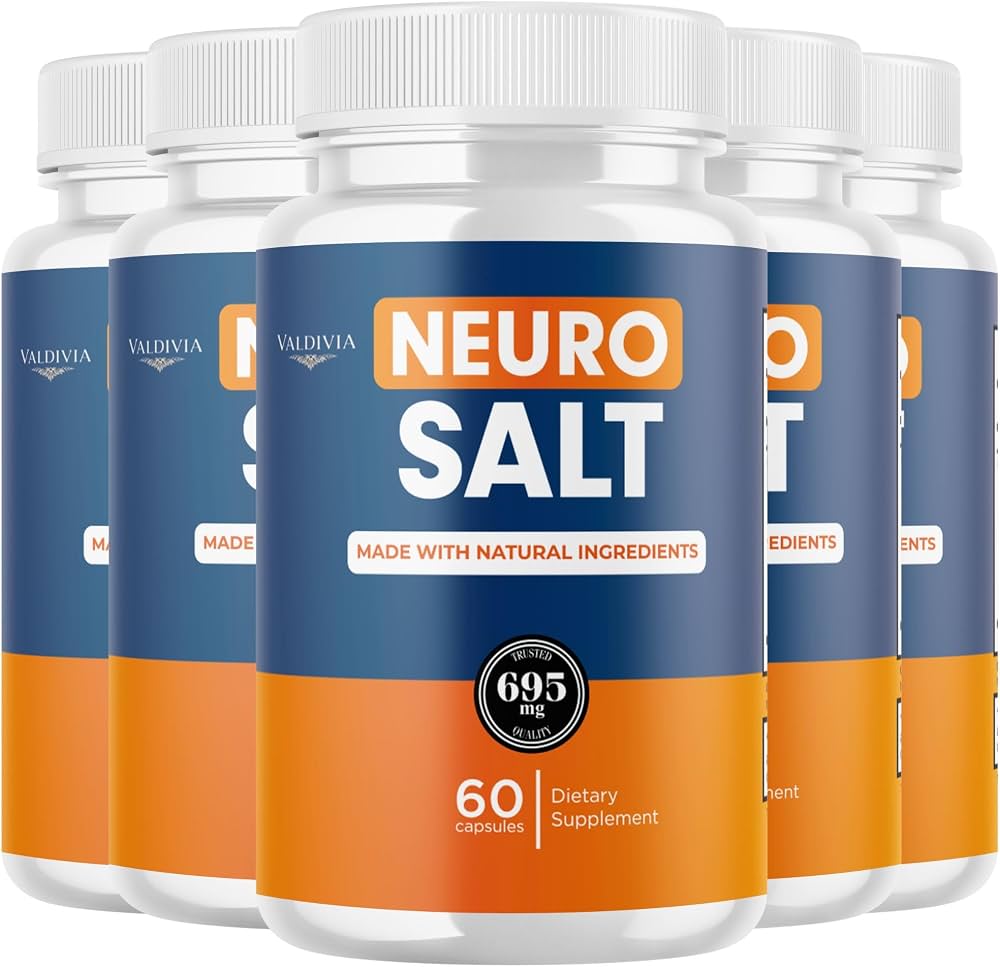
Who it's for: Adults who deal with occasional nerve tension or a restless, on-edge nervous system, and want a stimulant-free way to support calm. NeuroSalt uses five botanicals — Passionflower, California Poppy Seed, and Corydalis for relaxation, plus Marshmallow Root and Prickly Pear for antioxidant support — with every dose printed on the label, no hidden blend.
- Fully disclosed formula — every ingredient dosage listed on the label, no proprietary blend
- Zero artificial stimulants, non-habit-forming botanical base
- 20:1 concentrated Prickly Pear extract for antioxidant support
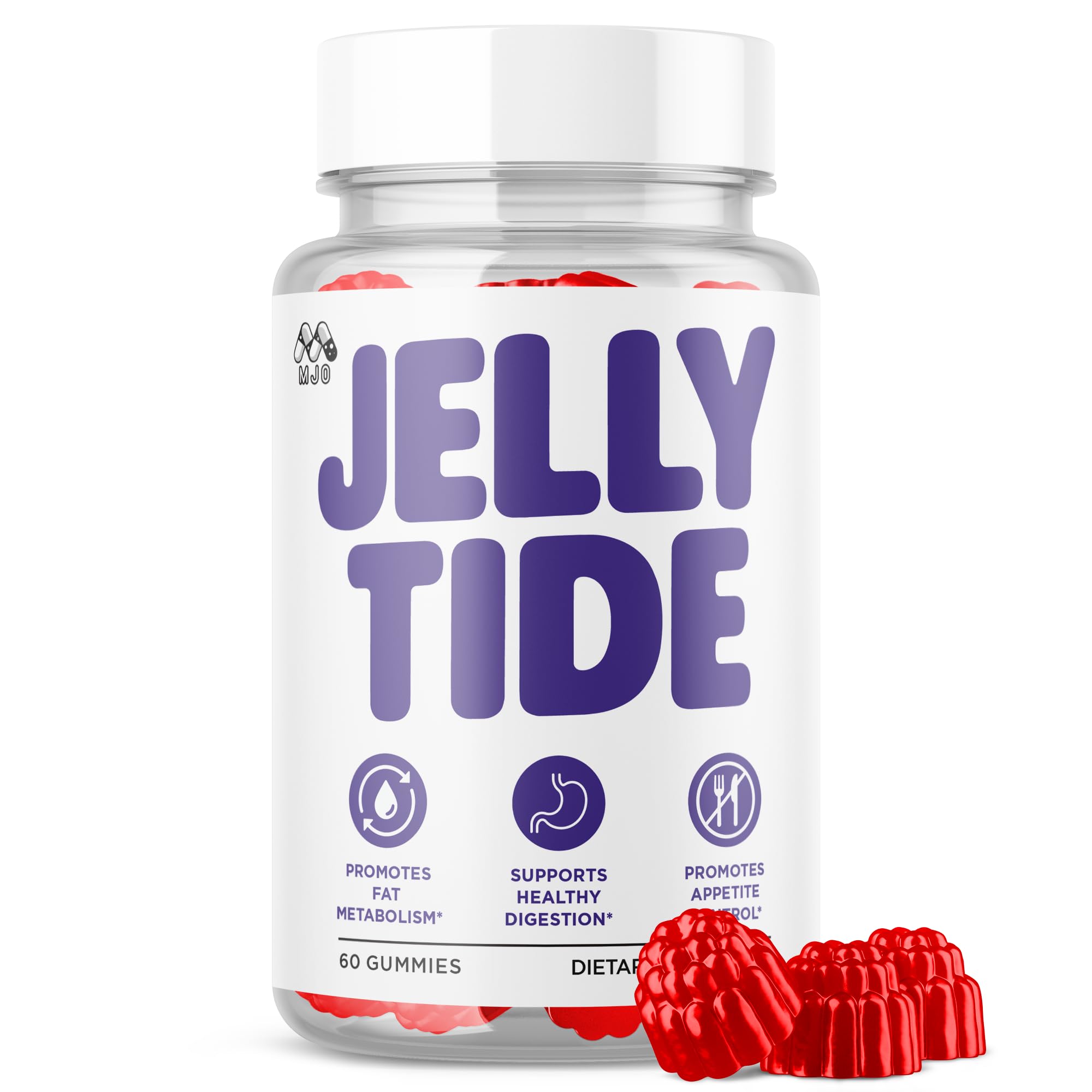
Who it's for: Anyone who's tried apple cider vinegar for weight support but can't stand the taste or the burn, and wants an easier way to keep the habit daily. Jellytide packs Apple Cider Vinegar and BHB ketone salts into one chewable gummy, taken before a meal — same core ingredient, none of the harsh acidity.
- Apple Cider Vinegar + BHB ketone salts in one convenient daily gummy
- No harsh vinegar taste or acidity — pleasant flavor, easy to keep consistent
- One-time purchase, no subscription — 60-day money-back guarantee
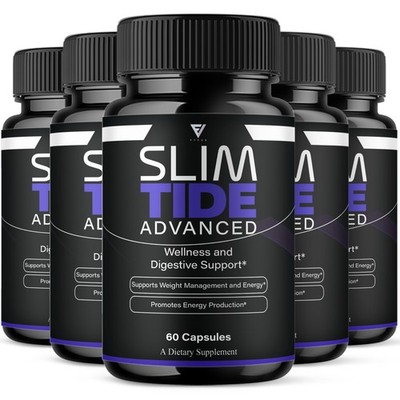
Who it's for: People who've tried stimulant-based weight loss pills, felt the jitters and crashes, and want a gentler approach that works through gut health instead. Slimtide feeds beneficial gut bacteria with Chicory Root Inulin and Potato Resistant Starch, plus a three-strain probiotic blend — a slower, non-stimulant route to appetite and metabolic support.
- Fully disclosed formula: Chicory Root Inulin (211mg), Potato Resistant Starch (100mg), 3-strain Probiotic Blend
- Stimulant-free — safe for daily long-term use, no jitters or crashes
- Vegetarian capsule, lactose-free, non-GMO
🔬 How We Test & Rank Supplements
The VitalsReview editorial team reviews each supplement's publicly disclosed Supplement Facts panel, manufacturing credentials (GMP/FDA-registered facility claims), refund policy, and customer support infrastructure. We evaluate ingredient transparency and label accuracy, dosage disclosure versus proprietary-blend opacity, third-party manufacturing standards, and real-world cost-per-serving. We do not accept payment for placement or rankings. Our site may earn affiliate commissions when you purchase through our links — this does not influence our editorial decisions in any way.
Our Final Verdict
The U.S. supplement market offers no shortage of options, but these five stood out for one shared trait: they tell you what's actually in the bottle. Whether your priority is daily vitality, focus, nerve comfort, or metabolic support, each product earned its ranking through label transparency, not marketing budgets.
Our top pick remains Jellyfil for its clean, once-daily botanical formula and straightforward checkout. For those specifically prioritizing focus and mental clarity, Memocept is the most fully-disclosed nootropic formula we reviewed in 2026.